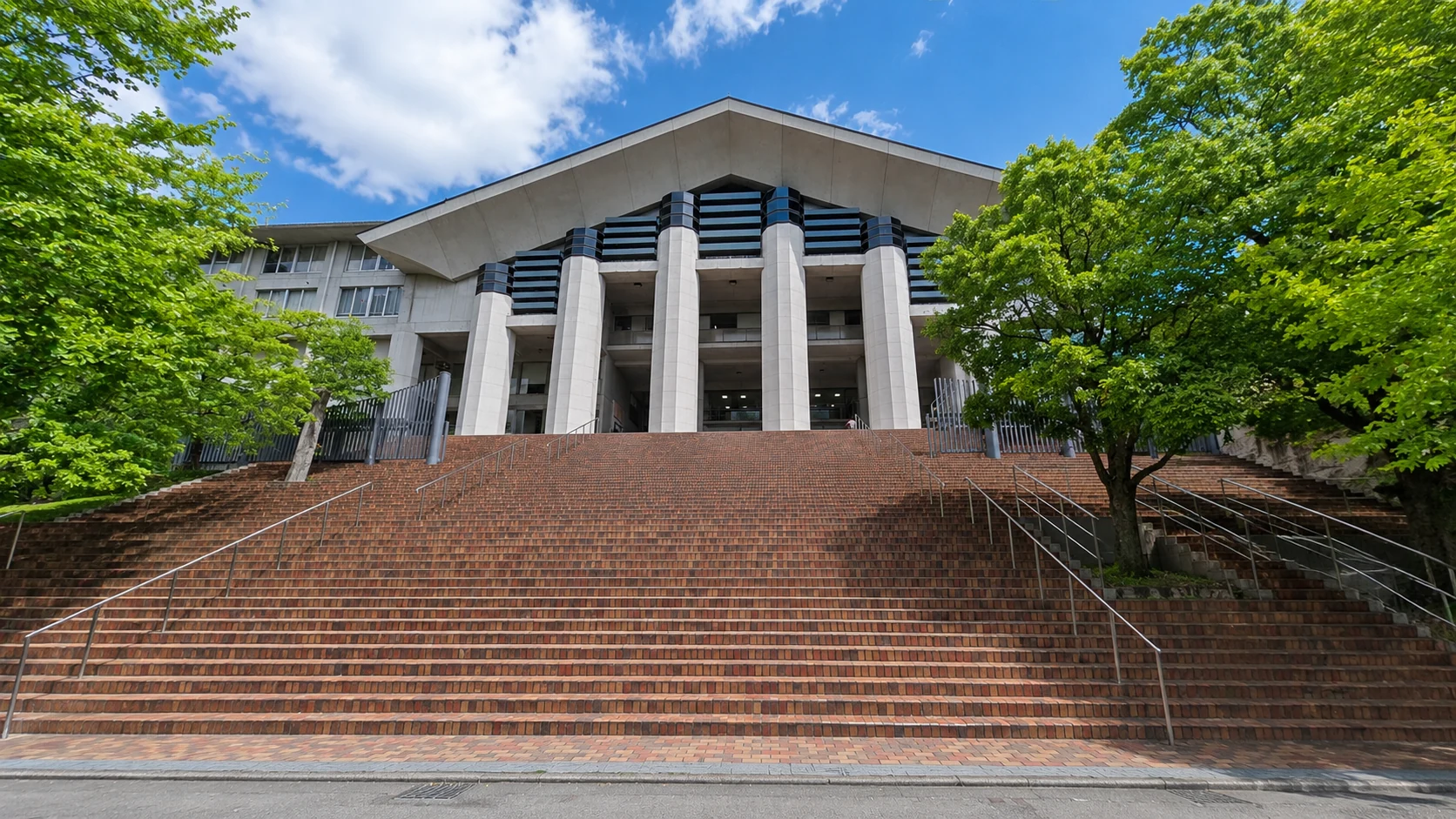
A living-alone guide for the Uryuyama Campus area of Kyoto University of the Arts (formerly Kyoto University of Art and Design)
Kyoto University of the Arts
Living Alone Guide
For art students, apartment hunting is not just about being close to campus or finding low rent. Works and art supplies accumulate, assignments can mean late nights, and production costs add up. Choose a home that supports both creative work and everyday life without strain.
Being an art student does not mean your apartment must be a studio.
After choosing art school, it is easy to think a normal studio apartment will be too small or that you need a dedicated workspace. But your home does not need to contain every production function. The university has facilities for making work, and it is often better to use campus resources for what they do best.
In a student apartment, prioritize storage for work and supplies, easy movement for large items, and a place where you can truly rest after a long day. That often supports four years of student life better than trying to turn the room itself into a studio.
Even a 6- or 7-tatami room can work well for an art student if storage is practical, furniture is easy to arrange, and there is enough room around the entrance.
1. Four areas to consider around Kyoto University of the Arts
1 Kitashirakawa / Kamihatecho area
For students who put campus proximity above all else. Art students often spend long hours on campus, so being close is a major advantage. Think not only about the morning commute but also about getting home after late assignments.
2 Around Chayama / Kyoto University of the Arts Station
For students balancing commute and transport access. Eizan Railway makes it easier not to depend entirely on a bicycle. It works well if you also consider shopping, part-time work and trips beyond campus.
3 Around Ichijoji
For students who want to enjoy everyday neighborhood life as well as university. Ichijoji has many restaurants and everyday shops and fits student life well. Distance to campus varies, so compare combinations of bicycle, train and walking.
4 Around Mototanaka
For students who want a wider activity area. It gives easier access toward Demachiyanagi and can work well for students with activities or part-time jobs elsewhere in Kyoto. Choose it based on your whole daily movement, not campus distance alone.
| Area | Best for | Features | What to check |
|---|---|---|---|
| 北白川・上終町 | Campus proximity first | Easy access to campus | Shopping and late-night route home |
| Chayama / Kyoto University of the Arts | Transport matters too | Eizan Railway available | Distance to both station and campus |
| Ichijoji | Daily convenience first | Good fit for student life | Actual bicycle commute |
| 元田中 | Wider activity area | Easy access toward Demachiyanagi | Travel time to campus |
2. Art students should check storage and how easy the room is to clean.
Typical student searches compare separate bath/toilet and auto-locks. Art students should add a few more practical checks.
- Closet/storage depth—can you store canvases, supplies or works upright?
- Entrance space—is it easy to move large items in and out?
- Flooring—is it easy to clean and manage stains?
- Washing and laundry flow—can you easily clean hands and clothing after making work?
- Usable wall space—will living space remain after adding shelves and storage?
- Nighttime route home—assume some assignments will keep you late.
- Internet connection—consider file submissions and online work.
3. Too much rent can squeeze your production budget.
Art students may spend separately on materials, printing, tools, production and exhibitions. Putting too much of your budget into rent and amenities can reduce freedom for creative work.
Compare fixed costs including management fees, internet and transport—not rent alone—and ask how much remains each month for making work and living.
| Priority | How to think about it |
|---|---|
| Proximity to campus | Reduce commute and the burden of getting home |
| Storage | Prioritize whether things can be stored over raw floor area |
| Rent | Keep fixed costs low enough to preserve a production budget |
| Amenities | Do not duplicate at home what campus already provides |
4. Three things students and parents should discuss first
1) How much work will you make at home?
The right room differs if you mainly work on campus, do only small tasks at home, or create extensively at home. Match the space to your department and practice rather than demanding a perfect studio from day one.
2) How much will you spend on housing?
Creative programs can bring more production expenses than expected. Set a ceiling for monthly fixed costs so rent does not consume the whole budget.
3) What will you do as works and tools accumulate?
You may start with little luggage, but works and materials can grow every year. Imagine what you will do when storage fills up—that can change how you judge a room.
Ask about apartment hunting around Kyoto University of the Arts
Search around art-student priorities such as being close to campus, having storage for works, or keeping rent low enough to preserve a production budget.
Go to housing consultation →5. Frequently asked questions
Should Kyoto University of the Arts students look for an apartment with a studio?
Not necessarily. You can use campus production facilities and prioritize storage, commute and rest at home.
Is a normal student 1K apartment enough?
Depending on your work, yes. Check storage, entrance space, furniture layout and ease of cleaning—not just room size.
What is the advantage of living close to campus?
It reduces the burden of commuting and getting home when assignments keep you on campus late. Short distance is especially valuable on days with lots of equipment or work to carry.
Should I prioritize lower rent or a larger room?
Because art students also need a production budget, a manageable rent with good storage and layout may be better than simply choosing the largest room.
About this page
For students considering Kyoto University of the Arts and their parents, this guide looks at housing through the special lens of “making and living.” Check current property conditions and facility-use rules with the university, property manager or real-estate company.